
If you’ve experienced water damage, you’ve probably heard two terms used interchangeably:
Water mitigation and water restoration.
While they’re closely related, they aren’t the same thing.
Understanding the difference can help you know what to expect after a water loss—and why choosing a company that provides both services can save you time, money, and frustration.
At All Claims Repairs, we guide homeowners through the entire recovery process, from emergency response to the final repair.
Here’s what you need to know.
What Is Water Mitigation?
Water mitigation is the first phase of recovery.
Its primary goal is simple:
Stop the damage from getting worse.
Water doesn’t stop causing damage once the leak ends.
It continues to soak into drywall, flooring, insulation, cabinetry, and structural framing.
The sooner mitigation begins, the more damage can often be prevented.
Water mitigation services typically include:
- Emergency water extraction
- Moisture detection
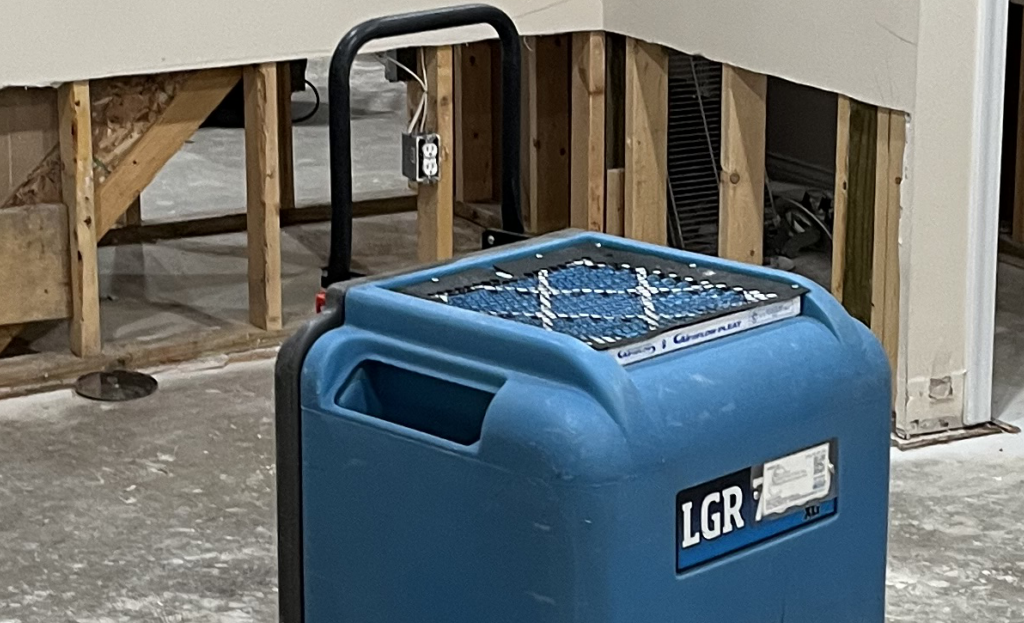
- Structural drying
- Dehumidification
- Removing damaged materials when necessary
- Setting up air movers and dehumidifiers
- Daily moisture monitoring
Think of mitigation as damage control.
Its purpose is to stabilize your property before permanent repairs begin.
Why Mitigation Matters
Many homeowners believe that once standing water is removed, the problem is solved.
Unfortunately, that’s rarely the case.
Hidden moisture can remain:
- Behind drywall
- Under hardwood flooring
- Inside insulation
- Beneath tile
- Within subfloors
- Inside framing
Without professional drying equipment, trapped moisture can lead to:
- Mold growth
- Warped flooring
- Swollen cabinetry
- Structural deterioration
- Lingering odors
That’s why quick mitigation is one of the most important parts of the entire restoration process.
What Is Water Restoration?
Once your property has been completely dried and moisture readings confirm it’s safe, restoration begins.
Water restoration focuses on returning your property to its pre-loss condition.
In other words:
This is where your home starts looking like home again.
Restoration services may include:
- Drywall repair
- Drywall replacement
- Painting
- Flooring installation
- Baseboard replacement
- Trim carpentry
- Cabinet repairs
- Finish work
- Full room reconstruction
The goal isn’t simply making the property functional.
It’s restoring it to the condition it was in before the damage occurred.
Mitigation vs. Restoration: What’s the Difference?
A simple way to remember it is this:
Water Mitigation
Mitigation stops additional damage.
Examples include:
- Water extraction
- Drying equipment
- Moisture monitoring
- Dehumidification
- Emergency response
Water Restoration
Restoration repairs the damage that’s already been done.
Examples include:
- Rebuilding walls
- Installing new flooring
- Painting
- Replacing trim
- Completing repairs
Mitigation protects your home.
Restoration puts it back together.
Both are essential.
Why Homeowners Benefit From One Company Handling Both
One of the biggest frustrations homeowners experience is having to coordinate multiple contractors.
A mitigation company dries the property.
Then the homeowner has to find another contractor to rebuild everything.
That often leads to:
- Communication delays
- Scheduling conflicts
- Multiple estimates
- Finger-pointing between contractors
- Longer project timelines
At All Claims Repairs, we handle both phases under one roof.
That means one team, one project manager, and one clear path forward.
What the Process Looks Like
If your basement, kitchen, bathroom, or home experiences water damage, here’s what typically happens.
Step 1: Emergency Response
Our team responds quickly to assess the damage and identify the source of the water.
Step 2: Water Mitigation
We begin:
- Water extraction
- Moisture mapping
- Structural drying
- Equipment setup
- Daily monitoring
The goal is making sure hidden moisture is removed before repairs begin.
Step 3: Restoration
Once drying is complete, reconstruction begins.
Depending on the damage, this may include:
- Drywall
- Flooring
- Painting
- Trim
- Cabinetry
- Finish carpentry
Why Speed Matters
Water damage becomes more expensive the longer it’s left untreated.
Within a short period of time, moisture can spread throughout the home.
Quick mitigation often helps reduce:
- Secondary damage
- Repair costs
- Mold risk
- Project timelines
If your home has experienced water damage in Cincinnati, Mason, West Chester, Dayton, or Northern Kentucky, All Claims Repairs is ready to help.
We’ll stop the damage, restore your home, and guide you through every step of the process.