

What homeowners can expect week by week after a fire and how a well-managed restoration unfolds
After a fire, most homeowners want one answer above all others. “How long will this take?”
The honest answer is that every fire loss is different. A small, contained kitchen fire may take weeks. A major structural loss may take months. What matters most is not the total duration, but whether the process follows the right sequence from the start.
When restoration is handled correctly, the timeline follows a clear pattern. Understanding that pattern helps reduce stress, prevent surprises, and keep your recovery moving forward.
Here is what a well-managed fire restoration typically looks like.
Day 1 to Day 3: Safety, Documentation, and Stabilization
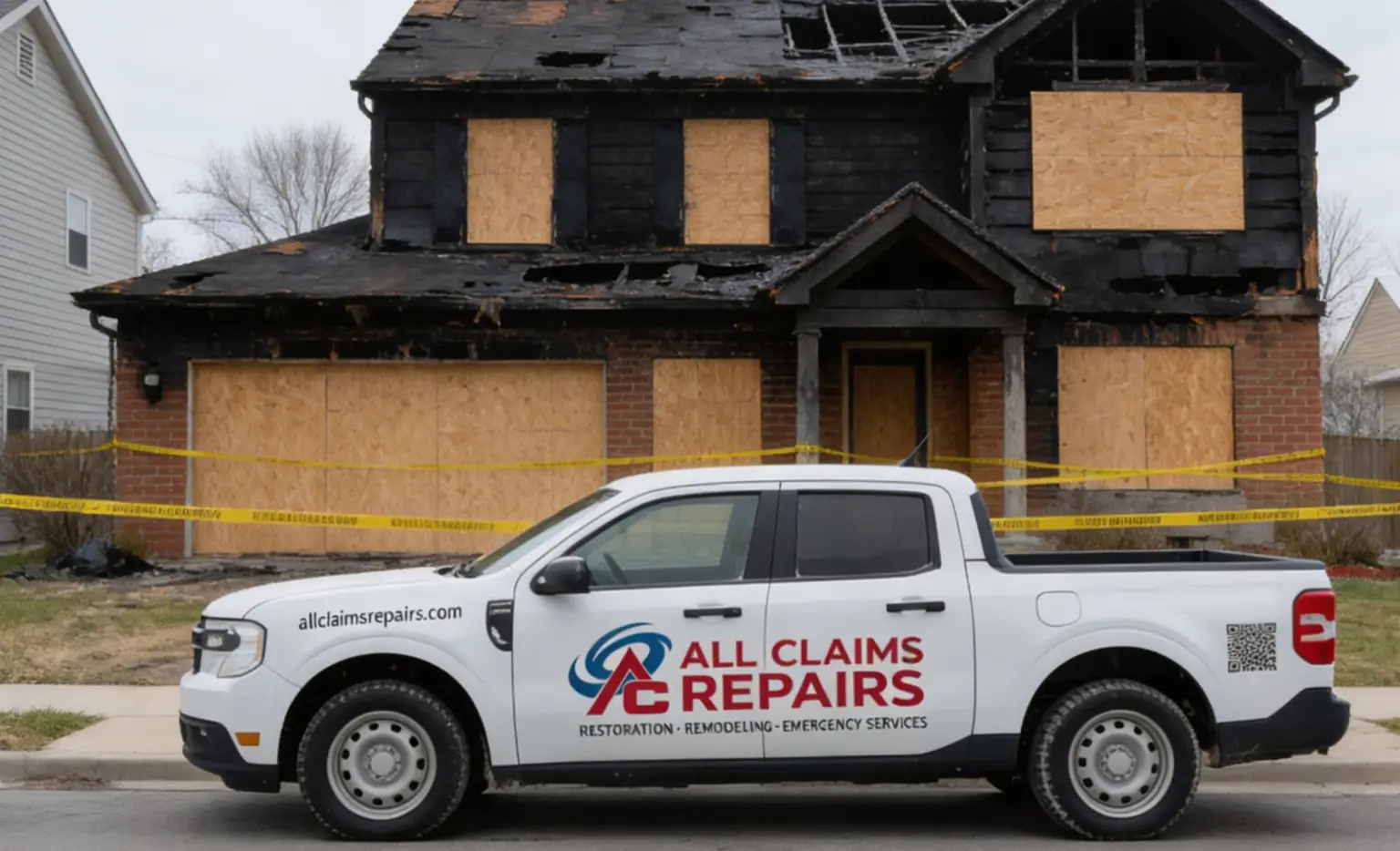
The first priority is safety. You should not enter the home until fire officials approve it. Once clearance is given, the focus shifts immediately to securing and stabilizing the property.
During this stage:
- The home is secured against weather and unauthorized entry
- Emergency board-up or roof covering may be installed
- Water from firefighting efforts begins to be removed
- Initial photos, video, and documentation are captured
- Your insurance claim is formally opened
These first days are critical. Proper documentation and fast stabilization prevent additional damage and set the foundation for everything that follows.
Week 1: Inspection and Scope Development
Once the property is stable, the next phase is understanding the full extent of the damage.
This typically includes:
- Detailed inspection of structural areas
- Evaluation of smoke spread throughout the home
- Assessment of electrical, HVAC, and attic conditions
- Identification of materials that require cleaning or removal
- Development of an initial repair scope and estimate
Homeowners are often surprised at how much damage exists beyond the burned area. Smoke contamination, hidden moisture, and heat exposure frequently extend farther than expected.
A thorough inspection in this phase prevents costly revisions later.
Week 2 to Week 3: Mitigation and Cleaning
With the scope established, mitigation work begins. The goal of this phase is to stop ongoing damage and prepare the home for reconstruction.
During mitigation:
- Remaining water is extracted and drying equipment is installed
- Smoke-damaged materials that cannot be salvaged are removed
- Cleanable surfaces are treated and deodorized
- Air filtration systems may be used to improve indoor air quality
- Contents are evaluated for cleaning or replacement
This phase can feel disruptive, but it is essential. Proper mitigation ensures reconstruction starts on a stable, clean structure rather than on hidden damage.
Week 3 to Week 6: Insurance Review and Reconstruction Planning
While mitigation is underway or just completed, reconstruction planning moves forward.
This stage often includes:
- Finalizing the repair scope with the insurance carrier
- Confirming code-required upgrades
- Ordering materials and scheduling trades
- Reviewing the reconstruction timeline with the homeowner
This is often the phase where homeowners feel the process slows. In reality, this coordination work determines whether reconstruction proceeds smoothly or encounters delays later.
Clear communication during this period is one of the strongest indicators of a well-managed project.
Month 2 and Beyond: Reconstruction Begins
Once approvals and planning are complete, rebuilding starts.
Depending on the damage, reconstruction may involve:
- Framing repairs or structural reinforcement
- Electrical and mechanical system replacement
- Insulation and drywall installation
- Flooring, cabinetry, and interior finishes
- Painting, trim, and final detail work
At this stage, the home begins to look normal again. Progress becomes visible week by week, which is often reassuring for homeowners.
The timeline here varies the most because reconstruction depends on material availability, inspection schedules, and the size of the loss.
Final Weeks: Inspection, Walkthrough, and Completion
As reconstruction nears completion, the focus shifts to confirming that everything has been done correctly.
This includes:
- Required municipal or safety inspections
- Final cleaning of the home
- Walkthrough with the contractor to review completed work
- Confirmation that scope items are finished
- Closing documentation for your insurance claim
A careful final review protects you from lingering issues and ensures the work matches what was promised.
Why Some Fire Losses Take Longer Than Others
Several factors influence how quickly a home can be restored:
- Severity of structural damage
- Extent of smoke contamination
- Age of the home and code upgrade requirements
- Availability of materials and specialized trades
- Speed of insurance approvals and documentation
Delays often come not from the fire itself, but from incomplete early inspection, unclear scope, or poor coordination between parties. A structured process reduces those risks significantly.
What Homeowners Should Focus on During the Process
While restoration professionals handle the technical work, homeowners can help the process stay smooth by:
- Keeping copies of all documentation and communication
- Asking questions whenever something is unclear
- Avoiding premature sign-off on incomplete work
- Maintaining communication with the assigned Project Manager
Restoration is not just construction. It is a coordinated process involving safety, documentation, insurance, and rebuilding.
When each stage happens in the right order, recovery becomes far more predictable.
Why All Claims Repairs
All Claims Repairs manages fire restoration from the first emergency response through final reconstruction, so homeowners are not left coordinating multiple companies during a stressful time.
We are a fully licensed and insured general contractor and an IICRC-certified restoration company with a BBB A+ rating. Our experience with fire losses allows us to structure projects so stabilization, documentation, mitigation, insurance coordination, and rebuilding all move forward in the correct sequence.
What that means for you:
- One call, one team. Emergency response, mitigation, and reconstruction are coordinated under one roof.
- Dedicated Project Management. Your Project Manager communicates with your insurance adjuster, oversees documentation, and keeps your timeline moving.
- Insurance claim experience. We understand how to present accurate scopes and documentation, so approvals move efficiently.
- 24-hour availability. Fire losses do not wait, and neither do we.
- Local service you can trust. We serve homeowners throughout the region with decades of restoration experience.
If You Are Facing a Fire Loss or Want to Be Prepared
The timeline after a fire does not have to feel uncertain. When the process is handled correctly, each step follows a clear progression toward restoring your home safely and completely.
If your home has been affected or you want guidance on the fire damage restoration process, we are here to help.
Call anytime. We answer 24 hours a day.