
The Next Claims Crisis Isn’t a Storm — It’s Capacity.
For decades, the insurance and restoration industries have been trained to watch the weather.
Hurricanes. Freezes. Fires. Named storms and return periods. But after years of volatile loss activity, a quieter — more structural — shift is underway. One that has little to do with what’s falling from the sky.
The next claims crisis isn’t a storm. It’s capacity.
Demand Was Never the Real Risk
Severe weather isn’t new.
What’s new is the growing mismatch between how fast losses occur and how thin the industry’s response infrastructure has quietly become.
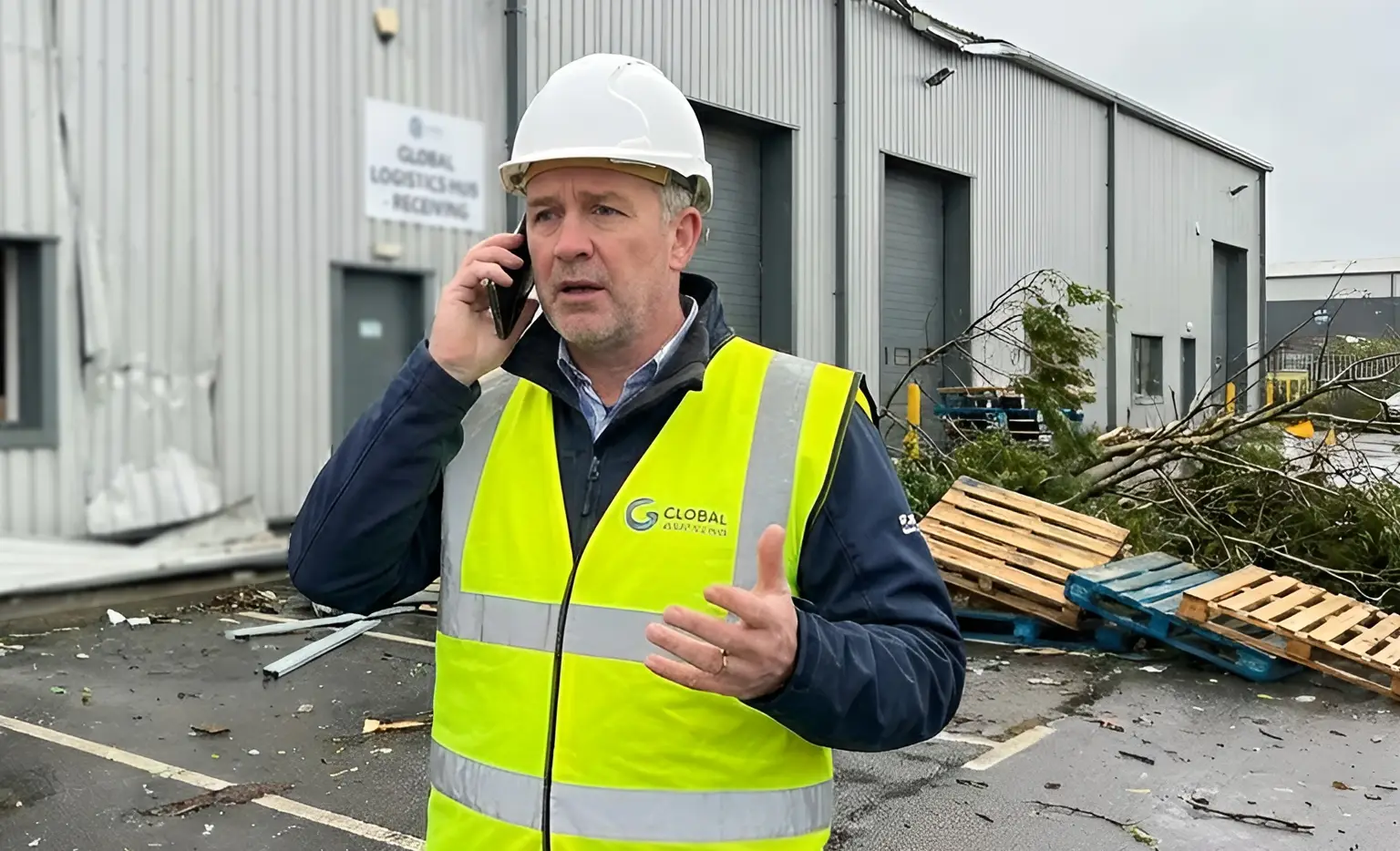
Claims volume can spike overnight. Capacity — trained labor, experienced leadership, equipment, and decision-making — cannot. The result isn’t just slower response times. It shows up as delayed mitigation, inconsistent documentation, higher claim severity, and more friction between homeowners, carriers, and service providers.
When capacity is strained, even well-intentioned claims begin to drift.
Why Capacity Is Disappearing
This didn’t happen all at once.
After several intense CAT years (catastrophic events (CAT) include hurricanes, floods, landslides, tornados, wildfires, etc.) many restoration firms staffed up aggressively. When 2025 proved softer in several regions, those same firms were left carrying excess labor and equipment with thinner margins. Downsizing followed. Some exited geographies altogether.
At the same time, the industry’s most experienced people are aging out or burning out. Restoration requires judgment — not just labor — and that judgment takes years to develop. A meaningful portion of seasoned talent has also migrated into consulting, insurance, or steadier construction roles.
Capacity didn’t vanish. It moved — and it aged faster than it was replaced.
Compounding the issue, true surge readiness is expensive. Carrying excess crews, equipment, and multi-market response capability makes sense during peak years, but is difficult to justify in quiet ones. Many firms optimized for efficiency, not resilience. That tradeoff is now visible.
Where Capacity Actually Shows Up
Most claim outcomes are decided early — often in the first 48 hours.
When capacity is available, those hours are defined by rapid access, clear mitigation strategy, disciplined documentation, and proactive communication.
When capacity is constrained, delays and deferred decisions create gaps that compound over time. The long tail of a claim — disputes, rework, escalations — is often the downstream effect of early capacity strain.
The 2026 Risk: Normal Storms, Abnormal Capacity
The real risk heading into 2026 isn’t an extreme scenario. It’s a normal one.
If CAT activity simply returns to historical averages — not record-breaking seasons, just typical ones — it will collide with a restoration market carrying less depth, less experience, and less surge readiness than it did a few years ago. That mismatch matters.
Normal storms layered onto scarcer capacity lead to slower response, compressed decision timelines, higher severity, and greater downstream friction — not because anyone is acting irresponsibly, but because the system has less margin for error.
It won’t take a once-in-a-generation event to stress the claims ecosystem. A return to normal may be enough.
Looking Ahead
Capacity is no longer a back-office concern. It’s a frontline risk factor.
The firms best positioned for the next cycle won’t be the ones reacting to forecasts. They’ll be the ones that preserved experience, discipline, and flexibility through quiet periods — and resisted the urge to rebuild capacity only when demand returned.
Weather will always be unpredictable. Capacity doesn’t have to be.
At All Claims Repairs, we’ve learned that capacity isn’t something you build when a storm is coming. It’s something you maintain deliberately — through soft cycles as well as busy ones — so it’s there when it matters.