


What starts as melting snow on your roof can quickly turn into water stains, mold, and costly repairs inside your home.
During this time of year the temperatures drops and homeowners worry about frozen pipes or heating costs. But one of the most damaging — and often overlooked — winter hazards is ice damming. Ice dams can quietly form on your roof and lead to serious water damage inside your home, sometimes without obvious warning signs until the damage is done.
It’s time to educate yourself on what ice damming is, what causes it, and why it’s a problem! Protect your home and avoid costly repairs.
So What Is Ice Damming?
An ice dam forms when melting snow refreezes along the edge of your roof (typically at the eaves), creating a ridge of ice. As snow continues to melt behind the ice dam, water becomes trapped and has nowhere to go — except back under your shingles and into your home.
Unlike normal roof leaks, ice dam water intrusion often occurs slowly and repeatedly, making it especially damaging over time.
What Causes Ice Damming?
Ice dams are usually caused by a combination of snow, cold temperatures, and uneven roof heating. Common contributing factors include:
Heat Loss From the Attic
Warm air escaping from your home heats the roof surface, causing snow to melt. This often happens due to:
- Poor attic insulation
- Air leaks around vents, chimneys, or recessed lighting
- Inadequate attic ventilation
Freezing Temperatures at Roof Edges
The edges of your roof extend beyond the heated portion of your home. When melted snow reaches these colder areas, it refreezes and forms ice dams.
Heavy Snow Accumulation
The more snow on your roof, the more meltwater is created — increasing the risk of ice dam formation.
When Does Ice Damming Typically Happen?
Ice damming most often occurs:
- After heavy snowfall
- During periods of freeze–thaw cycles
- When daytime temperatures rise above freezing and nighttime temperatures drop below freezing
Late winter and early spring are especially risky times, as melting snow continues to refreeze overnight.
How Ice Damming Can Lead to Big Problems
Ice dams are more than just an exterior issue — they can cause extensive interior water damage.
Common Damage Caused by Ice Dams
- Water-stained ceilings and walls
- Wet insulation and reduced energy efficiency
- Warped drywall and peeling paint
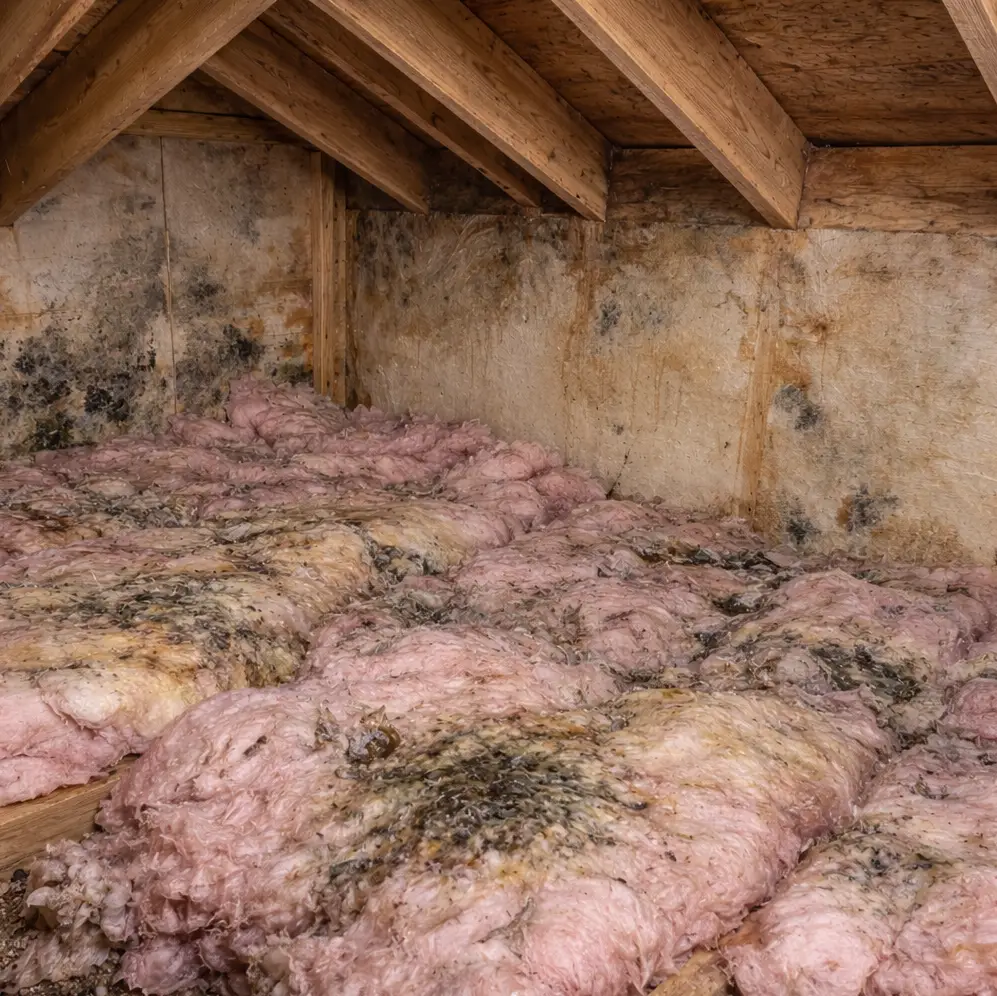
- Mold growth from trapped moisture
- Damaged roof decking and framing
Because the water enters from above and travels along hidden pathways, damage can spread far from where the leak first occurs.
FACTOID: Ice dam claims average about $8,000 per claim.
Data from insurance analytics firm Verisk suggests that the average settlement on an ice dam insurance claim is around $8,000, and that figure typically covers interior water damage (not exterior repairs).
Signs You May Have Ice Dam Water Damage
Ice dam damage isn’t always obvious right away. Watch for:
- Brown or yellow stains on ceilings or walls
- Dripping water or damp drywall near exterior walls
- Bubbling or peeling paint
- Musty odors in attics or upper floors
- Icicles forming along roof edges (a warning sign, not the problem itself)
If you notice any of these, it’s important to act quickly before damage worsens.
Can Ice Dams Lead to Mold?
Yes. Ice dam water damage often leads to hidden moisture, especially in insulation and wall cavities. When moisture remains trapped, mold can begin to grow within 24–48 hours, creating additional health and repair concerns.
How Ice Dam Water Damage Is Addressed
Professional water damage restoration typically involves:
- Identifying the source and extent of moisture intrusion
- Drying affected areas using professional-grade equipment
- Removing damaged materials if necessary
- Preventing secondary damage like mold growth
- Repairing ceilings, walls, and structural components
It’s important to note that simply removing visible ice does not always stop the underlying water intrusion.
Preventing Ice Damming in the Future
While not all ice dams can be prevented, risk can be reduced by:
- Improving attic insulation and ventilation
- Sealing air leaks in the attic
- Keeping roof surfaces uniformly cold
- Removing heavy snow buildup when safe to do so
Addressing the root cause — heat loss — is key to long-term prevention.
Need Help with Water Damage from Ice Damming?
If winter weather has led to water damage in your home, getting a professional assessment and restoration can make all the difference. A prompt response helps protect your home and can save you money.