

What homeowners should record after fire, water, or storm damage to avoid delays, disputes, and missed repairs
After property damage, most homeowners focus on cleanup first.
What they do not realize is that one early step often determines how smoothly the insurance process goes. That step is documentation.
In the hours and days after a loss, details disappear quickly. Water dries, debris is removed, and temporary repairs begin. Without clear records, important damage can be overlooked or disputed later.
Proper documentation is not about paperwork. It is about protecting your claim and ensuring the full scope of damage is recognized.
Here is how to do it correctly.
Start Before Cleanup Begins
It is natural to want to start cleaning immediately.
However, documenting conditions first protects you.
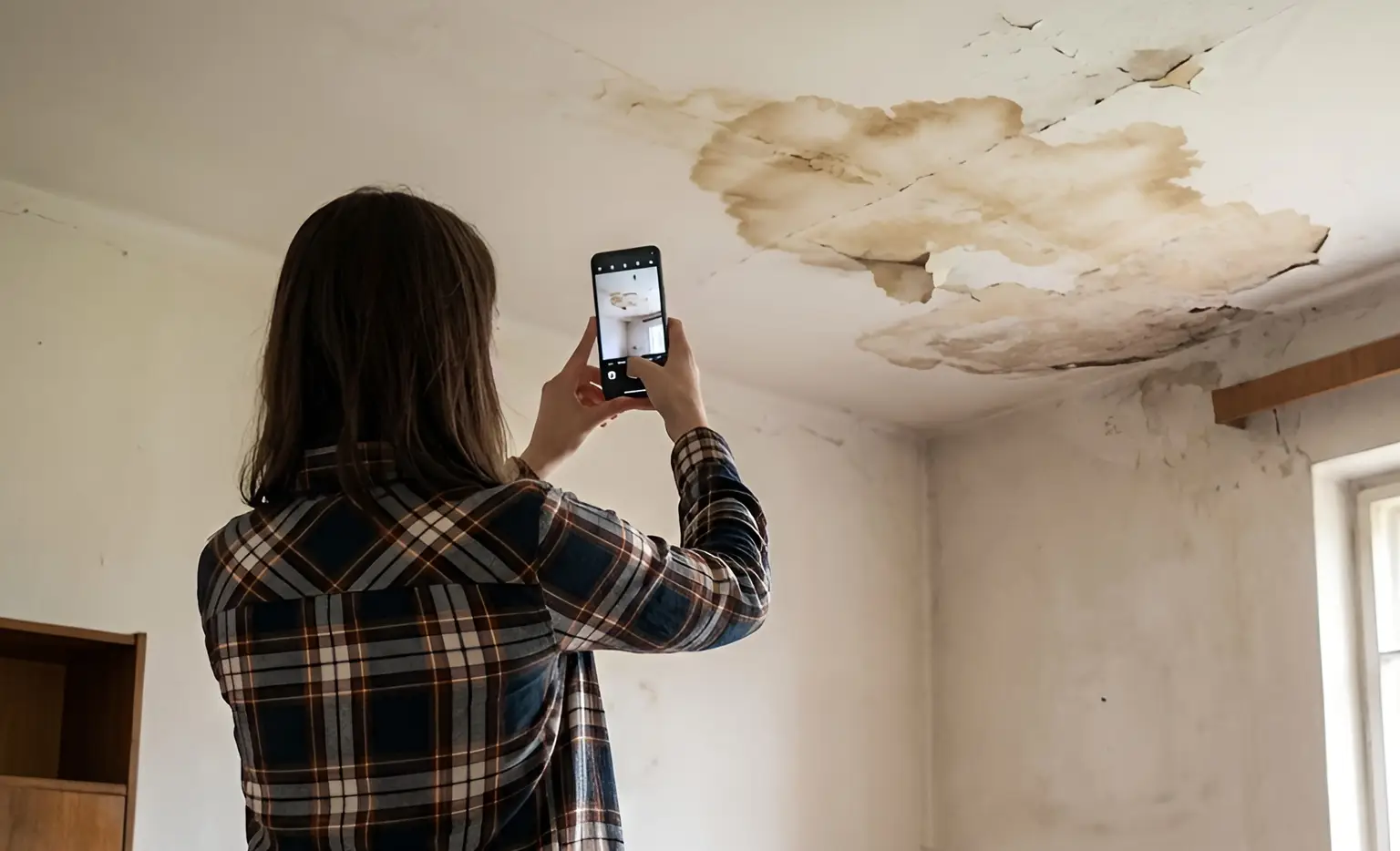
- Take wide photos of every affected room
- Capture close-ups of damaged materials and contents
- Record ceilings, flooring, walls, cabinetry, and exterior areas
- If utilities are safe, walk through the property slowly and record video. Narrate what you see and point out odors, moisture, or visible damage.
Once debris is removed or materials are dried, proving the original condition becomes much harder.
Document Both Obvious and Hidden Damage
Some damage is easy to see. Other problems develop later.
- Water behind walls
- Smoke residue inside cabinets or HVAC systems
- Warped framing or subflooring
- Moisture trapped under flooring or insulation
If you notice unusual smells, discoloration, swelling, or soft materials, document them even if they seem minor.
Small signs early often indicate larger issues that may surface weeks later.
Keep a Written Timeline
Insurance claims involve many moving parts. A simple timeline helps prevent confusion.
Write down:
- Date and time the damage occurred
- When you discovered it
- Who you contacted first
- When inspections happened
- What temporary repairs were completed
This record helps clarify events if questions arise later about response time or mitigation steps.
Save Receipts and Emergency Costs
Many homeowners forget that emergency expenses may be reimbursable.
- Hotel stays
- Temporary repairs
- Boarding up windows or roofs
- Water extraction services
- Equipment rentals
Keep every receipt, even small ones. Photograph them immediately in case they fade or are misplaced.
Understand Why Documentation Affects Claim Outcomes
Insurance adjusters rely on clear information to evaluate losses.
When documentation is incomplete:
- Damage may appear smaller than it actually was
- Certain repairs may be excluded from the scope
- Disputes can arise about when damage occurred
- Approval timelines often slow down
When documentation is clear and organized, the process typically moves faster and with fewer questions.
Good records help ensure nothing is missed.
When Professional Documentation Helps
For larger or complex losses, professional documentation can make a significant difference.
Experienced restoration professionals know:
- How to identify hidden structural or moisture damage
- How to measure and record affected areas accurately
- How to prepare detailed repair scopes
- How to present information in formats insurers expect
This does not replace the adjuster’s role. It helps ensure the damage is fully understood from the start.
Why Documentation Shapes the Entire Recovery
Restoration is not only about repairs. It is about confirming what needs to be repaired.
Proper documentation helps ensure:
- All affected areas are evaluated
- Repairs match the true condition of the property
- Insurance decisions are based on accurate information
- Unexpected issues are reduced during reconstruction
- The process moves forward with fewer delays
Without clear records, homeowners often spend extra time clarifying issues that could have been captured early.
Why Homeowners Choose All Claims Repairs
All Claims Repairs supports homeowners from the first response through final reconstruction, ensuring damage is documented thoroughly and handled correctly.
We are a fully licensed and insured general contractor and an IICRC-certified restoration company with a BBB A+ rating. Our certifications in mold remediation and indoor air quality allow us to identify both visible damage and hidden risks from moisture, smoke, or contamination.
What this means in practice:
- One call, one coordinated response. From emergency mitigation through reconstruction, we manage the process so documentation and repairs stay aligned.
- Structured damage evaluation. We assess both visible and potential hidden damage to help prevent surprises later.
- Insurance claim familiarity. We understand how to prepare clear scopes and supporting documentation that help the process move efficiently.
- 24-hour availability. Property damage can happen at any time, and we are ready to respond.
- Local experience you can verify. We have decades of restoration experience serving homeowners in the communities we work in.
If You Need Help Now or Want to Be Prepared
Good documentation early can prevent weeks of stress later.
Whether you are facing active property damage or want to understand what a professional response looks like before you need it, All Claims Repairs is here to help.