


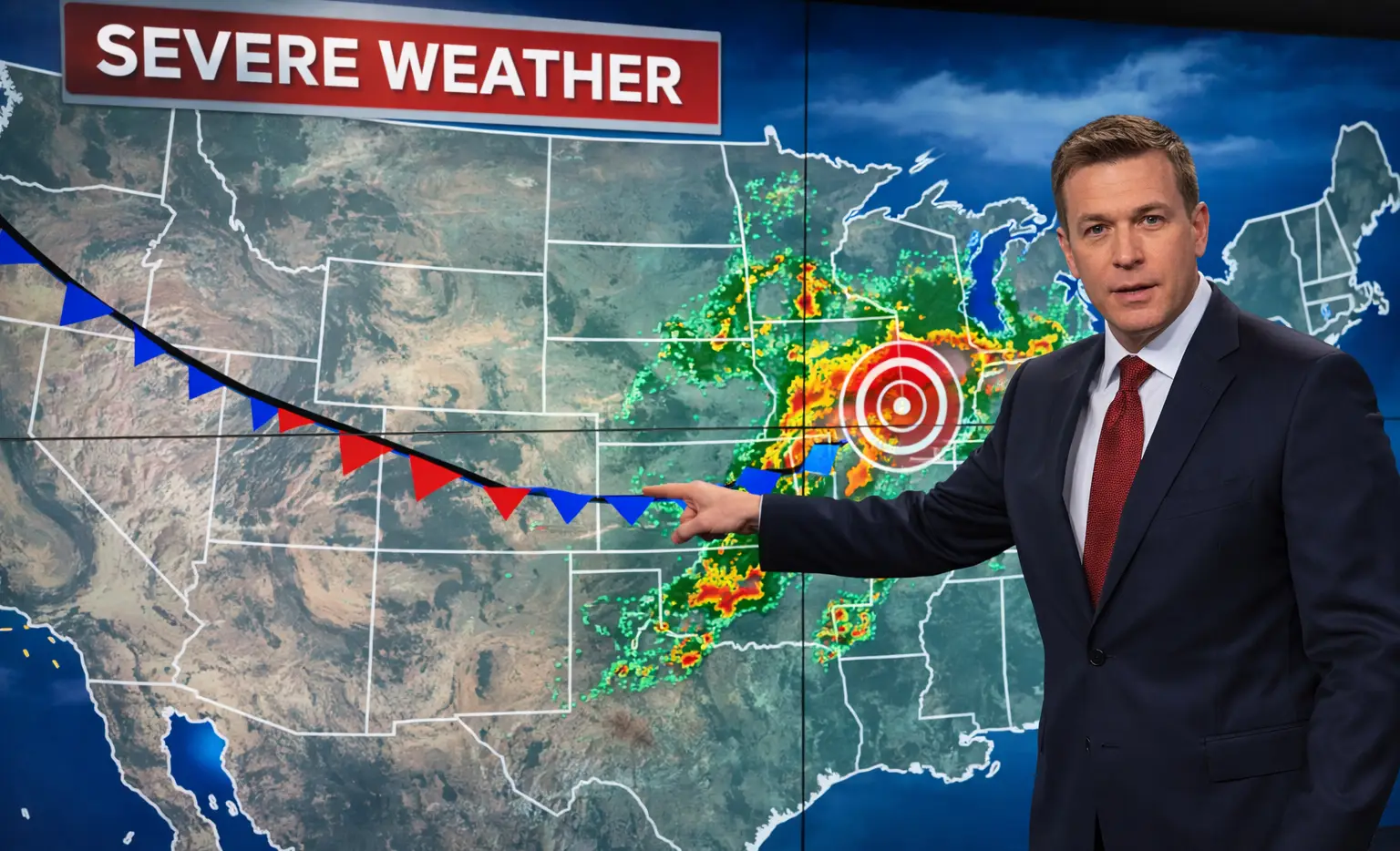
How localized severe weather—not national disasters—defined claims exposure in 2025.
The 2025 storm season delivered an unusual outcome. The United States experienced no landfalling hurricanes, yet still endured one of the most expensive severe-weather years on record. Instead of a single catastrophic driver, losses were created by regional outbreaks of wind, hail, flooding, and convective storms—producing intense pockets of claims activity while other markets remained unexpectedly quiet.
For carriers, adjusters, agents, property managers, and public adjusters, 2025 reinforced a critical shift: storm risk is increasingly local, and successful claims outcomes depend on understanding those regional patterns rather than national headlines.
A National Picture Without a Single Narrative
- More than 20 separate billion-dollar weather events across the U.S.
- Above-average temperatures fueling intense rainfall and flash flooding
- Elevated tornado, hail, and straight-line wind losses in inland markets
The year felt very different by geography—calm for some insureds, disruptive for others, and complex for everyone involved in the claims process.
Where Claims Activity Was Strongest
Midwest & Central Corridor – Wind and Hail
Across the Midwest—including Ohio, Indiana, Illinois, and Missouri—repeated thunderstorm outbreaks produced:
- Concentrated hail swaths impacting commercial and residential roofs
- High volumes of wind-related exterior and tree-impact claims
- Increased focus on separating storm damage from prior conditions
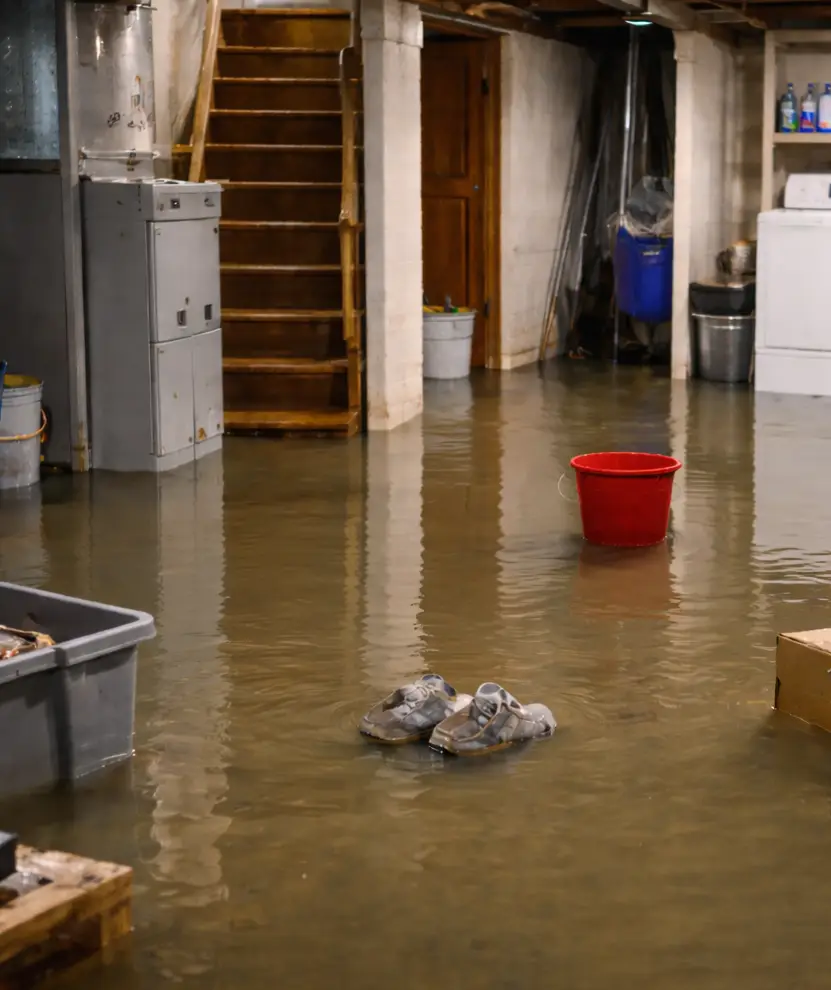
Basement flood Ohio.
Ohio in Focus
Ohio demonstrated how a market can experience a meaningful storm year without a single “cat” headline. Spring and summer events generated localized but heavy claim frequency, requiring consistent scoping, rapid mitigation, and alignment among all parties to keep files moving efficiently.
Mississippi & Tennessee Valleys – The Flood Story
Persistent rainfall created:
- Prolonged moisture exposure in residential and multifamily properties
- Growth in mitigation-first claims
- Greater need for early drying plans to prevent secondary damage
Florida: Quiet Hurricanes, Not a Quiet Year
While Florida avoided a hurricane landfall, 2025 still brought steady loss activity:
- Frequent convective storms causing roof leaks and interior water intrusion
- Continued work from prior-year events
- Heightened attention on documentation, causation clarity, and timeline discipline
The year reinforced that Florida risk is year-round, and outcomes hinge on rapid inspection, defensible moisture data, and clear communication among carriers, adjusters, agents, property managers, and public adjusters.
What 2025 Taught the Damage Claims Community
- Local insight beats national headlines – regional patterns drove results.
- Documentation determined outcomes – clear cause-of-loss narratives and consistent photos reduced friction.
- Speed reduced severity – early mitigation limited escalation in both Florida and Ohio.
- Collaboration shortened cycle time – alignment among all stakeholders proved essential.
Looking Ahead to 2026
Storm patterns are becoming less predictable and more regional. Preparedness will center on:
- Rapid assessment at first notice of loss
- Transparent, defensible documentation
- Partners who understand local building types and market expectations
At All Claims Restoration, our focus remains simple: protect policyholders, support fair claim resolution, and work collaboratively with every stakeholder involved.
If a market-specific snapshot would be helpful – common loss profiles, response planning, or documentation best practices – contact us. We’re happy to share what we’re seeing on the ground!